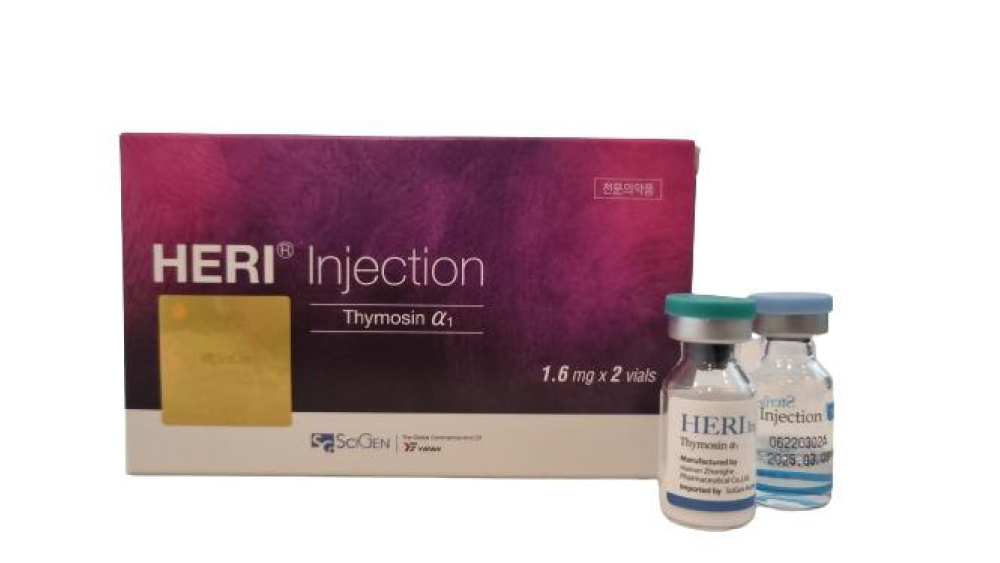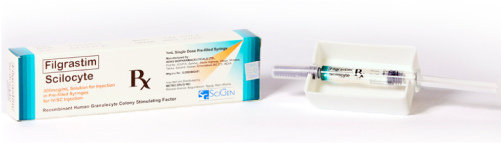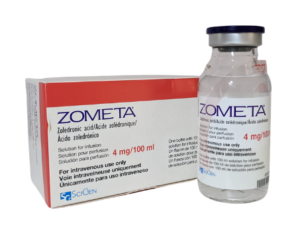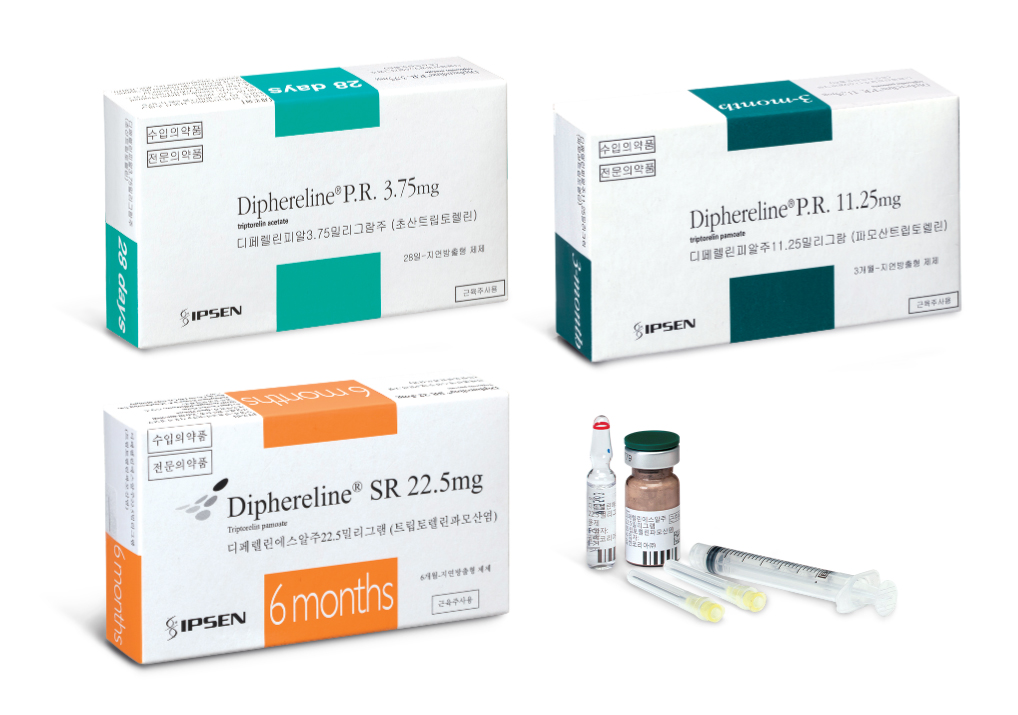

At SciGen, we believe access to treatment should never be limited by circumstance – because medicines only make a difference when patients are able to receive them.
Recognizing that financial and practical barriers often prevent patients from accessing the therapies they need, our regional teams continue to develop innovative ways to support patients throughout their treatment journey. These initiatives go beyond traditional assistance models by combining financial support with patient navigation services, helping patients connect with available resources and continue treatment with greater confidence.
In South Korea, SciGen Korea has established two oncology-focused support initiatives designed to address these challenges: the Patient Assistance Program (PAP) and the Patient Support Program (PSP).
The PAP initiative is designed to directly address financial barriers to treatment, helping eligible patients reduce the economic burden associated with therapy and enabling more patients to access and continue essential oncology treatments. By supporting treatment affordability, these programs play an important role in improving real-world treatment access.
Complementing this, the PSP initiative focuses on helping patients navigate treatment more smoothly by offering practical support services. By entering details, patients can quickly receive guidance on available assistance and support programs, helping them better understand and manage treatment-related information.
Healthcare providers have responded positively to both digital solutions, highlighting their convenience and the practicality it provides for patients and their families.
Since the launch of PAP and PSP last year, we have received more than 120 applications for support – a reflection of the real and growing need for patient-centered access solutions in oncology care.
Through programs like these, SciGen remains committed to advancing equitable access to treatment and supporting patients beyond the medicine itself. By working closely with healthcare providers, partners, and communities, we continue to develop practical solutions that help reduce barriers to care.
Because improving access is not just about providing medicines – it is about helping patients stay on treatment, supporting families through difficult journeys, and ensuring that more people have the opportunity to receive the care they need.